Skip to content
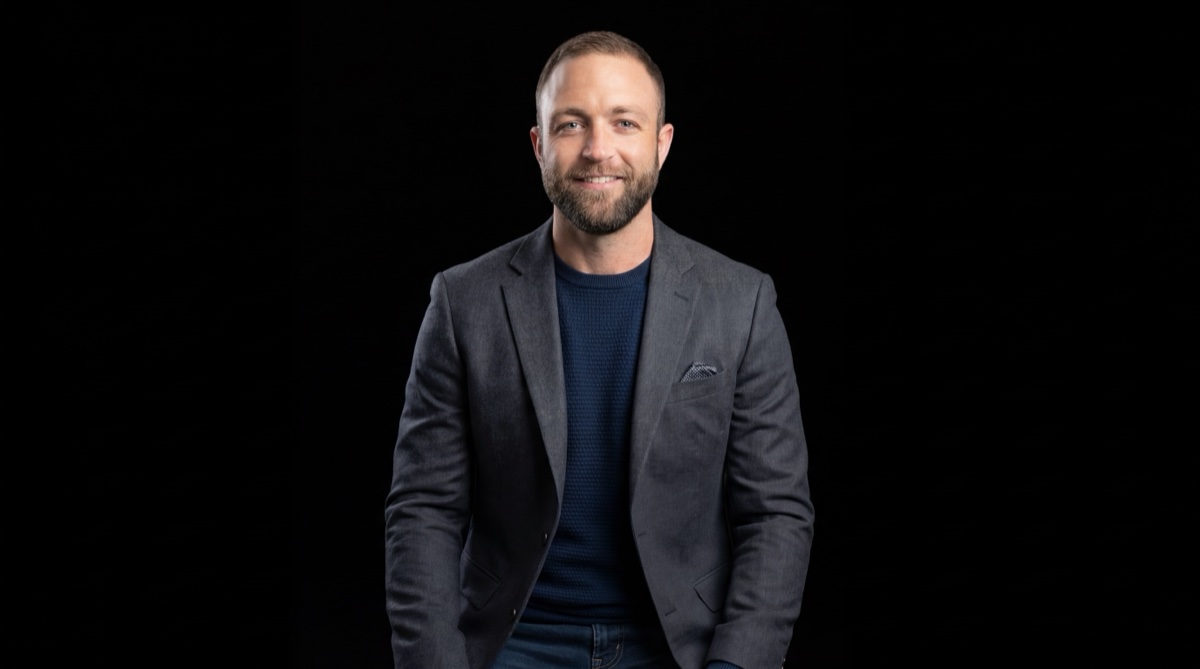
Thomas Perry Jr.

Thomas Perry Jr.

AI Governance Architect

Dallas, TX

Book Assessment

AI Governance Architect and independent security researcher with 6+ years of experience designing distributed systems, constitutional AI frameworks, and production-grade multi-agent orchestration for regulated industries.

My consulting practice serves healthcare, finance, and legal clients on AI governance, formal verification, and traceable inference systems. Core design principle: "refuse rather than hallucinate" — the system blocks inference when confidence is insufficient rather than generating unverifiable output.

Eighteen peer-reviewed publications on AI orchestration, synthetic identity detection, agent commerce trust scoring, formal verification, anticipatory cyber defense, and 5G security. Every project ships on Cloudflare Workers.

Languages

  • TypeScript (primary)
  • Python
  • SQL
  • LaTeX

AI / ML

  • Constitutional AI
  • RAG Pipelines
  • MCP Servers
  • Multi-Agent Orchestration
  • Embedding Pipelines
  • Drift Detection

Security

  • Synthetic Identity Detection
  • Red-Team AI Research
  • Trust System Analysis
  • NIST CSF 2.0
  • Hash-Chained Audit

Cloud

  • Cloudflare Workers
  • D1, KV, Vectorize
  • Durable Objects
  • Service Bindings
  • Pages
psychology

AI Governance Architect

Independent Practice — 2020 - Present

menu_book

Published Researcher

Zenodo (18 DOIs) — 2025–2026

cloud

Infrastructure Operator

Cloudflare Estate — 2022 - Present

Production edge compute estate

shield

Security Researcher

Red Team / Trust Systems — 2024 - Present

shield

SignaBuilder

signabuilder.com

Consulting practice focused on synthetic identity verification, AI governance advisory, and structural due diligence for regulated industries. Serving CISOs, general counsel, and risk officers at organizations navigating the synthetic era.

Visit arrow_forward
hub

Helix Fabric

helix.signabuilder.com

Distributed verification infrastructure detecting synthetic organizations through multi-signal analysis. Active entity monitoring with a 24-worker fleet spanning D1, R2, and Vectorize persistence layers.

Visit arrow_forward

AI Governance

What is constitutional AI governance? expand_more
I design constraint frameworks where AI systems operate within verifiable boundaries. The core principle is "refuse rather than hallucinate" — the system blocks inference when confidence is insufficient. This includes drift scoring (0-100), crisis detection routing, and pattern matching across anomaly categories. These aren't theoretical — they run in production and block deployments when standards aren't met.
What industries do you serve? expand_more
My consulting practice serves healthcare, finance, and legal clients. I advise on constitutional AI frameworks, formal verification, and traceable decision-making for defensible AI inference. Each engagement focuses on ensuring AI outputs are verifiable, auditable, and compliant with domain-specific regulations.
What is MCP and how do you use it? expand_more
Model Context Protocol (MCP) servers expose calibration, evaluation, and observation tools that enable any LLM to operate within principled guardrails. I've built MCP servers (Mantle) with drift scoring and crisis detection routing — allowing AI systems to self-regulate without being locked to a specific provider.

Security Research

What is synthetic organization detection? expand_more
My research demonstrates that AI can fabricate completely believable organizations with synthetic executives and fabricated digital provenance. I built a multi-signal detection engine that scores organizations across multiple dimensions of synthetic identity. Published findings and methodology available via Zenodo DOIs.
What is your approach to responsible disclosure? expand_more
Generation tools ship alongside detection tools. The finding is simple and urgent: trust on the internet is breakable at scale, and the platforms people rely on have no verification layer. I follow responsible disclosure principles — demonstrating the attack surface while providing the defense playbook.

Working With Me

What does an engagement cost? expand_more
Consulting engagements start at $7,500 for a focused assessment. Detection-as-a-Service subscriptions range from $750/mo to $7,500+/mo depending on entity volume and monitoring frequency. Curated research access starts at $29/mo. Full pricing details are on the Solutions page.
What's the typical engagement process? expand_more
Submit an assessment request or book a call. I review your public exposure surface within 48 hours, then deliver a scoping proposal with specific deliverables, timeline, and pricing. Once approved, Helix Fabric runs multi-signal analysis and you receive a comprehensive verification report. Most assessments complete within 3–6 weeks.
Who are your typical clients? expand_more
CISOs and security leaders conducting vendor due diligence. General counsel verifying counterparty legitimacy before M&A or partnership. Risk officers in financial services, healthcare, and legal sectors assessing exposure to AI-generated entities. Organizations range from mid-market to Fortune 500.
What do I receive as a deliverable? expand_more
A structured verification report covering: synthetic probability scores for each assessed entity, signal decomposition across 13+ verification dimensions, risk classification (verified/suspicious/synthetic), remediation recommendations, and an executive summary suitable for board presentation. Ongoing DaaS clients also receive real-time monitoring dashboards and alert feeds.