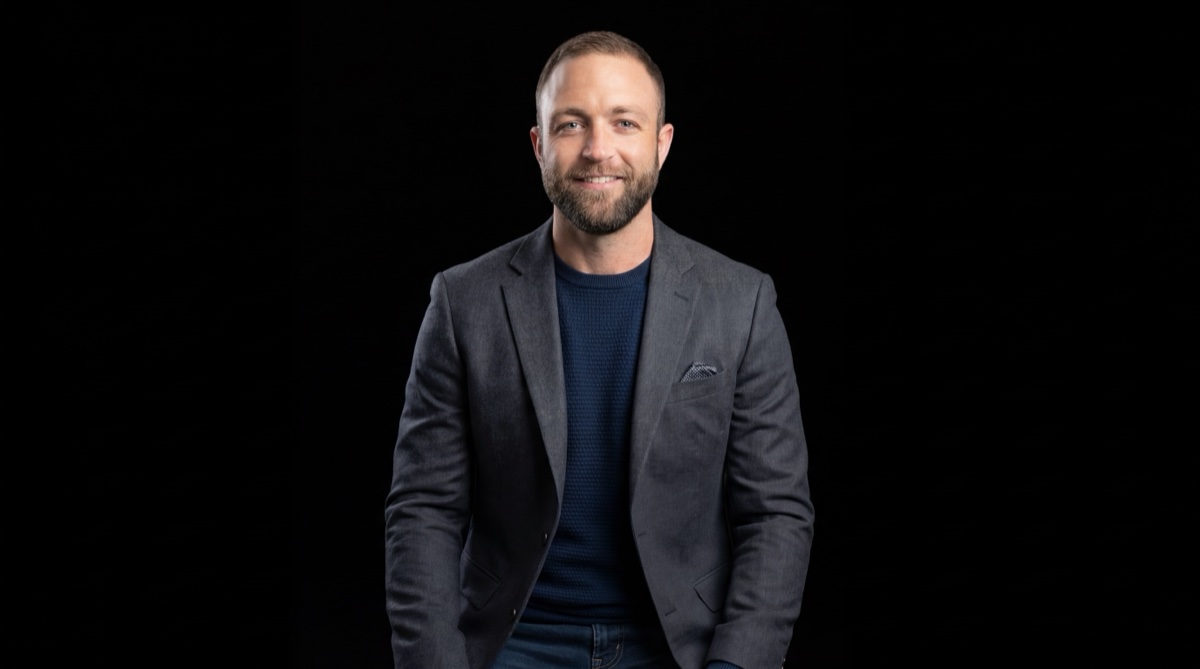
If identity can be generated, verification must be engineered.
Thomas Perry builds verification infrastructure for the age of AI-generated organizations—protecting institutional investors, enterprise compliance teams, and security firms from synthetic identity fraud before it costs them capital, credibility, or regulatory standing.
For institutional investors · Enterprise compliance · Security teams
To fabricate a full synthetic organization
Standard DD timeline — exploited by design
Signal Types Analyzed
Who This Is For
For CISOs
Detection that identifies fake companies invisible to standard identity checks. 68% reduction in exposure to fabricated entities for monitored organizations.
CISO AssessmentFor General Counsel
Structural due diligence that catches fabricated board members, shell companies, and manufactured credentials before they trigger regulatory problems.
Legal AssessmentFor Risk Officers
Continuous monitoring with real-time synthetic entity alerts. 20 peer-reviewed detection methods applied across every entity in the surveillance network.
Risk AssessmentThe Problem.
Synthetic Erosion of Trust
The Synthetic Paradox
AI can now generate realistic executive personas, convincing publication histories, cross-referenced endorsement networks, and entire institutional narratives. Surface-level credibility can now be manufactured.
Verification Lag
Traditional due diligence methods were designed for a world of finite, physical-bound identity. In the synthetic era, these frameworks don't just fail; they invite exploitation. Trust must move from assumption to verification.
"The erosion of institutional credibility isn't a failure of technology, but a failure of architectural imagination. We are verifying ghosts with tools built for shadows."
Detection Pipeline
Engineered Authenticity
Identity Architecture
Multi-signal detection frameworks fused with cryptographic proofing. Designed to identify synthetic variance across high-frequency transaction environments.
What this means: Your due diligence surfaces synthetic counterparties before capital moves.
Synthetic Forensics
Advanced adversarial testing to identify generative artifacts and behavioral anomalies in digital presence. 8-signature detection across temporal, linguistic, and network dimensions.
What this means: Fabricated executives, shell advisory boards, and manufactured credentials get flagged before they cause damage.
Risk Resilience
Governance-first risk assessment framework tailored for institutional investors dealing with synthetic identity complexity and AI agent verification.
What this means: Board-ready reports with risk scores your compliance team can action immediately.
Latest Activity
Published: The Structural Credibility Gap
Constructive proof of synthetic authority via self-referential verification architecture. DOI: 10.5281/zenodo.18652592
Helix Fabric Initiative Page Launched
Organizational overview, architecture documentation, and operational metrics now live at /helix/.
thomasperryjr.org Live
Research site deployed on Cloudflare Pages with 40-proposition thesis framework, solutions architecture, and 18 linked publications.
Published: Entity-Level Deepfakes and Intellectual Provenance
Introduces entity-level deepfakes concept and intellectual provenance systems. DOI: 10.5281/zenodo.18645301
First 5 Research Papers Published
Initial research covering detection architecture, anticipatory cyber defense, verification orchestration, how fake companies are built, and full-spectrum fabricated organizations. View all 18 publications
Helix Fabric Scanner Fleet Operational
Active entity monitoring across 24-worker fleet with D1, R2, and Vectorize persistence. View operational status
The Verification Thesis in 3 Minutes
Why surface-level credibility signals fail in the synthetic era, and how multi-signal detection changes the equation.
Is this company real?
Before you sign the contract, wire the payment, or onboard the vendor—check the domain. Instant trust score. No signup required.
Check Any Domain Free →Results in 4 seconds · Full report: $9.99
Secure the Human Element.
If your due diligence framework was not built for synthetic-era attacks, this is the gap. Let's close it.